What actually breaks when you drop an iPhone
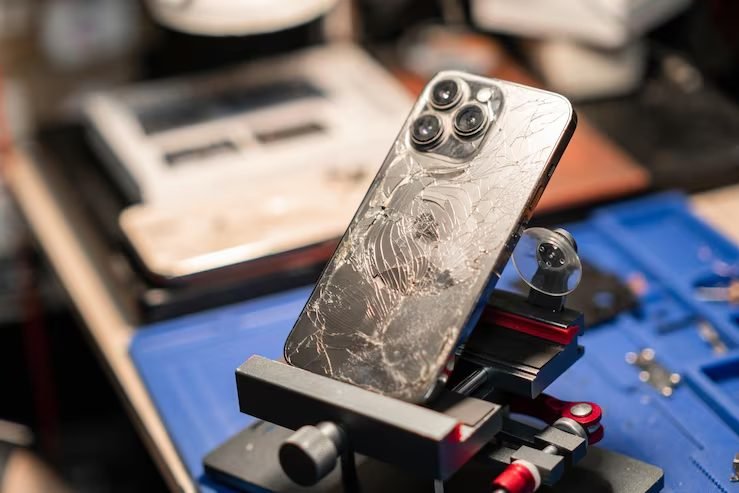
The front of an iPhone is three bonded layers: the outer glass, the digitiser that senses your finger, and the display panel underneath. A short drop onto tile often cracks only the outer glass, and the phone keeps working. A longer drop, or a knock on a corner, pushes the damage into the digitiser or the panel itself. That is when you get black patches, ghost touch, or coloured lines. We check which layers are affected before quoting, because the answer changes both the price and how long it takes.
Part grades, explained plainly
There is more than one kind of replacement screen, and the difference is real. Genuine Apple panels match the original exactly and keep every feature. Aftermarket OLED comes close on colour and black levels for less. Budget LCD is cheapest and looks it, particularly in bright sunlight and at an angle. We will tell you which grade we are quoting and what you give up, and let you choose.
Face ID and True Tone
Face ID depends on components that live behind the screen, not in it, so they get moved across to the new assembly and keep working. True Tone is tied to data on the original panel — with a genuine part it carries over, with some aftermarket panels it does not. We say which applies before we start.